2026-09-28 04:29:49
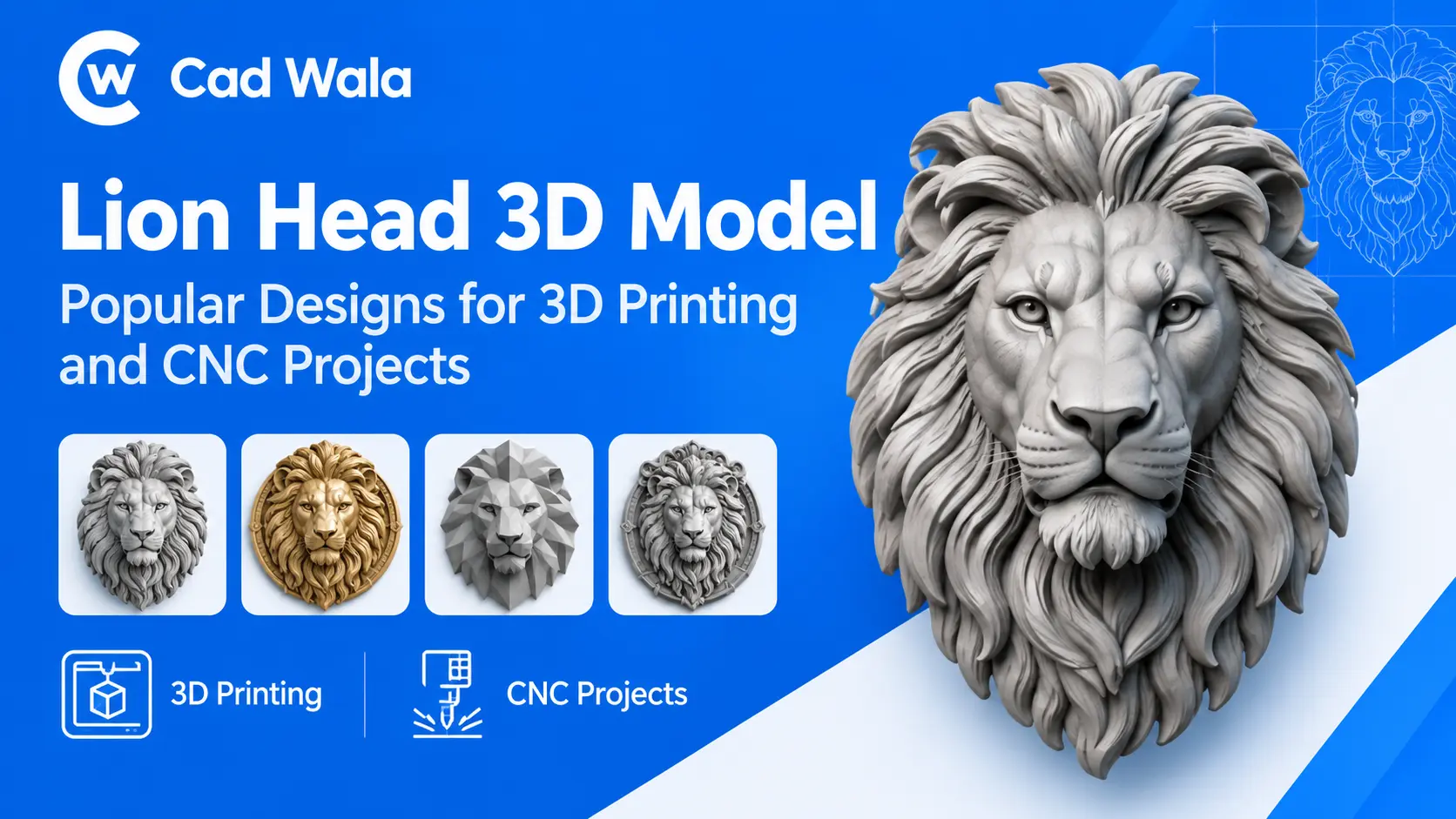
Lion Head 3D Model Popular Designs for 3D Printing and CNC Projects
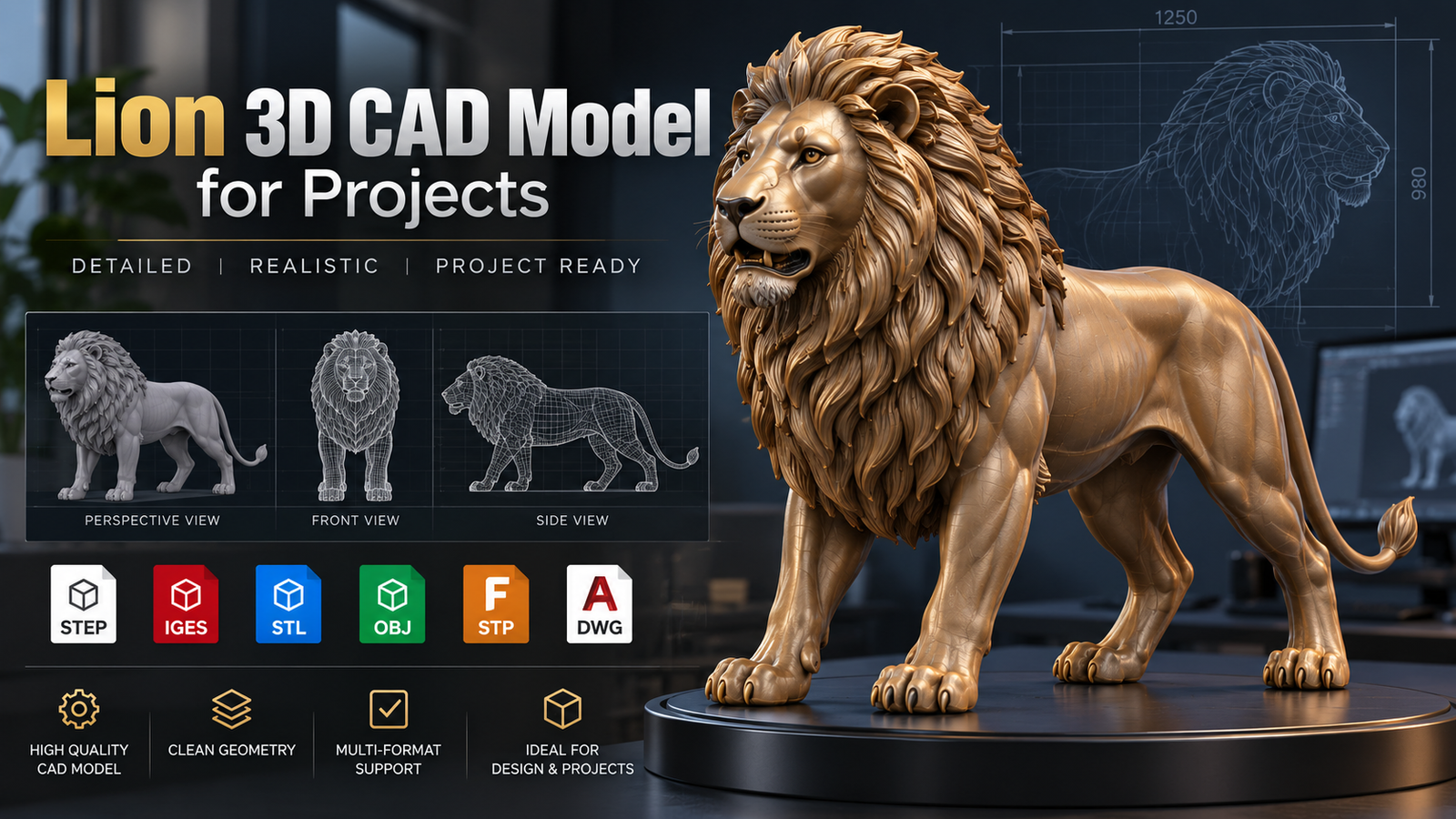
A Lion 3D Model can turn a simple digital design into a striking physical piece for 3D printing, CNC carving, product development, wall décor, signage, and many other creative projects. When you look at a detailed lion design, the first thing that stands out is usually the mane, facial expression, and strong shape of the head. These details make lion models especially useful for makers who want their finished work to look bold and detailed.
Today, designers can choose from many lion models depending on the project. A decorative wall piece may need a highly detailed relief, while a CNC project may require clean surfaces and suitable depth. A 3D printer, meanwhile, may need a model that has been prepared with proper geometry and printable details. Understanding these differences can help you choose a design that fits your project instead of simply choosing a model because it looks attractive on screen.
Why Lion 3D Model Designs Are Popular
Lions have been used in art, architecture, logos, furniture decoration, sculptures, and ornamental designs for centuries. Their recognizable face and large mane also make them interesting subjects for digital modeling.
A Lion 3D Model can be created in several styles. Some designs show the complete animal, while others focus only on the head. Relief-style models are particularly useful for decorative panels because they can create a raised image without requiring a full sculpture.
For makers, another advantage is flexibility. The same basic concept can be adjusted for different sizes, materials, and manufacturing methods. A small model may become a decorative item, while a larger version can be used for architectural or commercial work.
Lion Face 3D Model for Detailed Projects
A lion face 3d model focuses attention on the most recognizable features of the animal. The eyes, nose, mouth, cheek structure, and mane can all be modeled with different levels of detail.
For a decorative project, these details can create depth and character. A realistic face may contain many small surface changes, while a stylized design can use smoother shapes and stronger lines.
Before selecting a model, think about where you plan to use it. If you are going to print a small object, extremely fine details may not remain visible after scaling. For a large wall panel or CNC carving, however, those same details can make the finished piece much more interesting.
It is also important to check the model's dimensions and geometry before manufacturing. A design that looks excellent from one viewing angle may need additional adjustments if it will be carved into a flat surface.
Lion Head 3D Model Styles You Can Explore
A Lion Head 3D Model can be designed in several popular styles. Choosing the right style depends on the appearance you want and the manufacturing process you plan to use.
Realistic Lion Head
Realistic models focus on natural facial proportions, mane texture, and surface details. They are suitable when the finished piece needs to look close to a real lion.
These designs can work well for sculptures, display pieces, art projects, and detailed 3D prints. However, very detailed geometry can increase printing time and may require careful preparation.
Relief Lion Head
Relief designs keep the lion's head close to a flat surface while raising important features above it. This makes them useful for wall décor, furniture panels, doors, signs, and CNC carving.
The depth of the relief can be adjusted according to the material and machine being used. A shallow design may provide a subtle decorative effect, while a deeper relief can create stronger shadows and a more dramatic appearance.
Stylized Lion Head
Stylized designs simplify certain features while keeping the lion easily recognizable. They can use sharp lines, smooth surfaces, geometric shapes, or artistic mane patterns.
These models are often useful when the project requires a modern or decorative appearance rather than photorealistic detail.
Lion Head CNC Model for Carving Projects
A Lion Head CNC Model needs to be considered differently from a model intended only for viewing or animation. CNC machines remove material from wood, foam, plastic, stone, or other suitable materials, so the geometry needs to work with the cutting process.
When selecting a model, check the depth of the design and the smallest details. Very narrow features may not be practical with a particular cutting tool. A design with clear levels and smooth transitions can often be easier to carve.
For example, imagine creating a lion design on a wooden panel. The mane could form the outer raised area, while the eyes, nose, and mouth could sit at different depths. Once the cutter moves across the surface, these depth changes create shadows that make the lion appear three-dimensional.
The final result depends not only on the digital model but also on the cutter size, material, machining strategy, and finishing process.
Lion Head 3D Printing Model: What to Check
A Lion Head 3D Printing Model should be suitable for the printer and the intended material. Before starting a print, check whether the model has closed geometry and whether its surfaces are free from unwanted gaps or errors.
Scale is another important factor. A model designed for a large sculpture may lose facial details when reduced to a small size. On the other hand, increasing a small model too much can expose weaknesses in the geometry.
Supports may also be required depending on the shape of the mane, chin, nose, or other overhanging sections. Changing the orientation can sometimes reduce support requirements while improving the visible surface quality.
After printing, sanding, painting, polishing, or other finishing methods can give the lion a completely different appearance. A simple printed surface can become a decorative centerpiece with the right finishing work.
Choosing a Lion Head Manufacturing Model
A Lion Head Manufacturing Model should be selected according to the complete production process rather than only its appearance.
Start by deciding what you are making. Is it a wall panel, furniture ornament, sculpture, sign, mold, prototype, or decorative product? The answer will influence the required geometry, dimensions, and level of detail.
Next, consider the manufacturing method. 3D printing and CNC machining have different requirements. A model that works well for additive manufacturing may need changes before it can be used for subtractive machining.
Material also matters. Wood, resin, plastic, metal, stone, and other materials respond differently to cutting, printing, polishing, and finishing. Planning these details before production can save both time and material.
How to Select the Right Lion 3D Model
When comparing models, do not judge them only by the preview image. Look at the actual geometry and available file information.
Here are a few useful points to check:
- Level of detail: Make sure the details match the size of your project.
- File format: Check whether the format works with your design or manufacturing software.
- Geometry: Look for clean surfaces and properly formed areas.
- Scale: Confirm the original dimensions before importing the model.
- Manufacturing method: Choose a model suitable for printing, CNC machining, or your intended process.
- Editing requirements: Check whether you can modify the design if your project needs different dimensions.
- Final finish: Think about how sanding, painting, polishing, or carving will affect the details.
Taking a few minutes to check these points can prevent problems later.
Popular Uses of Lion Head Models
A Lion 3D Model can be adapted for many creative and manufacturing applications. Interior designers may use lion reliefs for decorative wall panels. Furniture makers can incorporate lion motifs into doors, cabinets, tables, and other pieces.
CNC users can carve lion designs into wood or other suitable materials. 3D printing enthusiasts can produce miniature sculptures, decorative objects, prototypes, and artistic pieces.
Businesses can also adapt lion-inspired designs for signs, branding elements, display pieces, and customized products, provided the design and intended use comply with applicable intellectual-property rights.
Final Thoughts
A well-made Lion 3D Model gives designers and makers plenty of room to experiment. From realistic sculptures and detailed lion faces to CNC reliefs and printable decorative pieces, the same subject can take many different forms.
The key is to choose the model according to your actual project. Think about the manufacturing method, material, size, required detail, and finishing process before you begin. When the digital design and production method are properly matched, a lion model can become much more than an attractive file it can become a finished piece that stands out.
Frequently Asked Questions
1. What should I look for in a lion face 3d model?
When choosing a lion face 3d model, check the facial detail, geometry, file format, scale, and intended manufacturing method. A model for a large sculpture can usually contain more visible detail than one designed for a small print.
2. What is a Lion Head 3D Model used for?
A Lion Head 3D Model can be used for sculptures, wall décor, furniture decoration, digital design, prototypes, CNC carving, and 3D printing. The final use depends on the model's geometry and the production method.
3. How do I choose a Lion Head CNC Model?
Choose a Lion Head CNC Model with suitable depth, clean surfaces, and details that can be handled by your cutting tools. The material, cutter size, machine capabilities, and desired finish should all be considered before machining.
4. Is a Lion Head 3D Printing Model suitable for every 3D printer?
Not necessarily. A Lion Head 3D Printing Model should be checked for geometry, scale, overhangs, wall thickness, and compatibility with your printer and material. Some models may require editing or support structures before printing.
5. What makes a good Lion Head Manufacturing Model?
A Lion Head Manufacturing Model should match the planned production process, material, dimensions, and required level of detail. A model prepared with manufacturing requirements in mind can make production and finishing easier.