2026-10-12 08:48:44
Radha Krishna 3D Models for CNC Wood Carving and 3D Printing
Radha Krishna 3D Models for CNC Wood Carving and 3D Printing
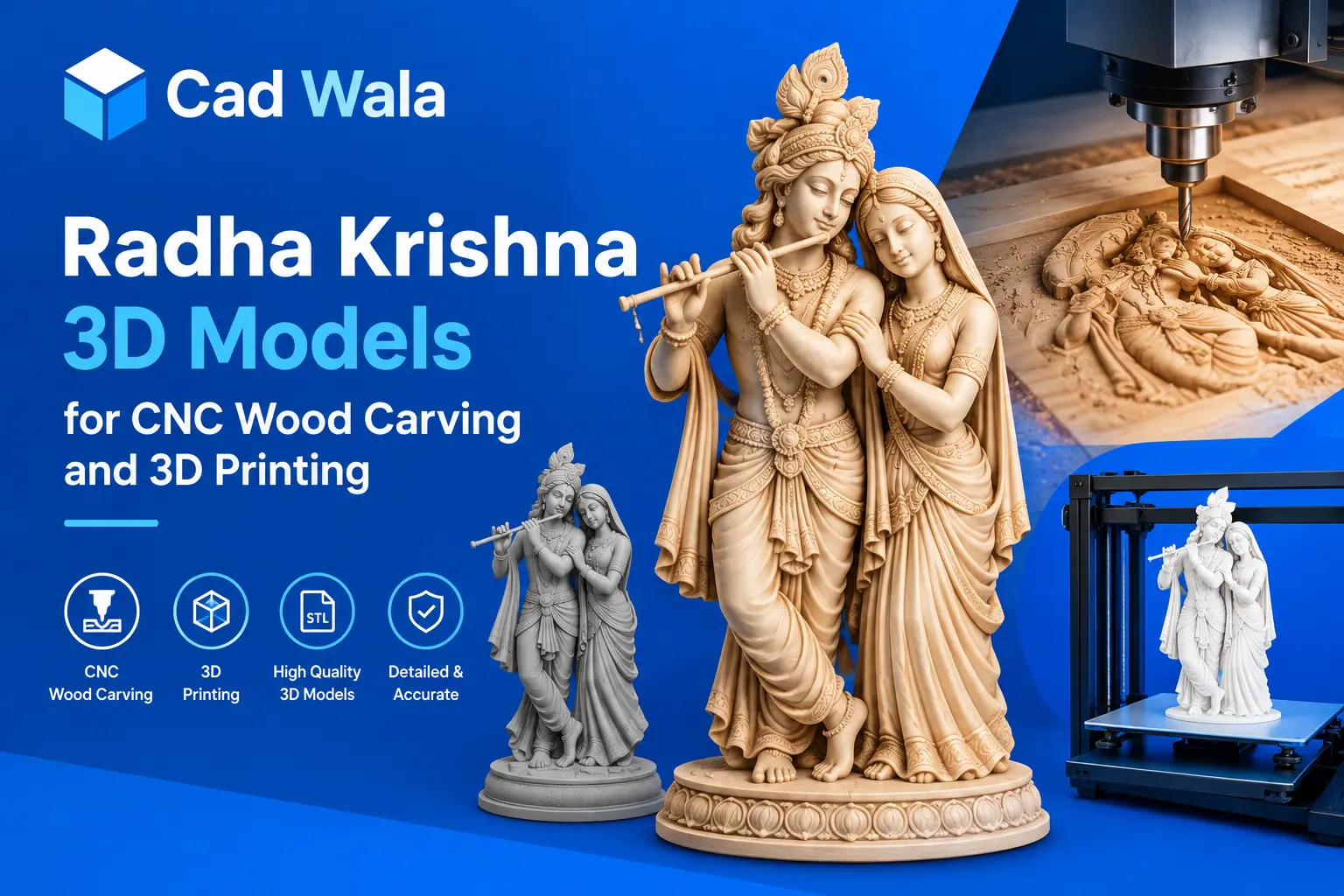
Radha Krishna 3D Models are a beautiful choice for creating devotional art, decorative panels, temple designs, and detailed sculptures using CNC wood carving and 3D printing technology. Whether you are a wood carving artist, a 3D designer, a manufacturer, or someone who loves traditional Indian art, these models can help you turn a creative idea into a meaningful design. From the graceful pose of Radha and Krishna to the fine details of their clothing, ornaments, and flute, every element can add beauty to the final creation.
Radha and Krishna represent love, devotion, peace, and spiritual connection in Hindu culture. Their images are often seen in home temples, decorative wall panels, wooden doors, and religious artwork. With modern digital design tools, artists can now create these traditional forms with greater detail and accuracy. The right 3D model makes it easier to prepare a design for CNC carving, 3D printing, or other creative projects.
What Makes Radha Krishna 3D Models Special?
Radha Krishna artwork has a timeless appeal. Their traditional poses, detailed ornaments, flowing clothes, and expressive features make these designs suitable for many types of decorative work.
Radha Krishna 3D Models allow artists to work with these details in a digital format before producing the final piece. Instead of drawing every element by hand, a designer can use a prepared model to plan the shape, depth, and overall appearance of the artwork.
These models can be useful for:
- Wooden wall panels and decorative frames
- Temple doors and pooja room decorations
- Religious statues and decorative sculptures
- MDF and solid wood carving projects
- 3D-printed devotional gifts
- Custom decorative pieces for homes and temples
For example, imagine a craftsman planning a Radha Krishna panel for a home temple. A detailed digital model helps the craftsman understand how the figures will look, where the raised areas should be, and which small details may need special attention during carving.
Radha Krishna 3D Models for CNC Wood Carving
CNC wood carving is a popular method for creating detailed patterns on wood, MDF, and other suitable materials. A CNC machine follows digital toolpaths to cut or shape a design with accuracy.
When selecting Radha Krishna 3D Models for CNC work, it is important to choose a model with clear depth, well-defined shapes, and properly formed surfaces. These features help the designer prepare a suitable carving file and reduce unnecessary adjustments before machining.
Choosing the Right Radha Krishna 3D Carving Design
A good Radha Krishna 3D carving design should match the size, material, and purpose of the project. A design for a small decorative panel may need different details from a large wooden temple door.
Before choosing a model, consider the following points:
- Level of detail: Look for clear facial features, ornaments, clothing folds, and other important elements. However, very fine details may be difficult to reproduce on small projects.
- Carving depth: Relief carving requires suitable height differences between the figures and the background. Check whether the model provides enough depth for the desired result.
- Material selection: Hardwoods, softwoods, and MDF behave differently during machining. Choose the carving depth and tool settings according to the material.
- Machine compatibility: Confirm that your CNC software can import the model or its converted file format.
- Final dimensions: Check the width, height, and depth before preparing the toolpaths. Scaling a model too small can reduce the clarity of fine details.
A carefully selected Radha Krishna design for CNC wood carving can help create attractive wall art, decorative furniture panels, and traditional religious designs.
Radha Krishna 3D Printing Models for Creative Projects
3D printing offers another way to bring devotional artwork into the physical world. Unlike CNC carving, which removes material from a solid block, 3D printing builds an object layer by layer.
Radha Krishna 3D printing models can be used to create small statues, decorative figures, miniature temple artwork, and prototypes for larger projects. They are particularly useful when the design includes curved shapes, intricate ornaments, or features that may be difficult to create by hand.
For a successful print, consider the following factors:
- Model geometry: Make sure the model has suitable, clean geometry and no unwanted holes or overlapping surfaces.
- Scale: Select dimensions that match your printer's build area and the intended use of the finished piece.
- Print orientation: The position of the model can affect surface quality, support requirements, and printing time.
- Support structures: Some poses and overhanging details may require supports.
- Material choice: PLA is commonly used for decorative prints and prototypes, while other materials may suit specific durability or finishing requirements.
After printing, you can sand, prime, paint, or otherwise finish the statue according to the material and desired appearance.
How to Choose a Radha Krishna 3D STL File
An STL file is a common format used to represent the surface geometry of a 3D model. It is widely used in 3D printing workflows and may also be used in CNC preparation after the necessary software processing.
Before purchasing or downloading a Radha Krishna 3D STL file, check whether the model suits your intended project.
First, inspect the preview images to understand the pose, composition, and level of detail. Next, check the file dimensions and overall geometry. A model designed for a standing statue may not be suitable for a flat relief panel without additional editing.
You should also check whether the file is watertight and suitable for your intended software. Some models may need repair or conversion before they can be used successfully.
For CNC projects, remember that an STL file does not automatically contain finished machining instructions. You may still need to create a toolpath, select suitable cutting tools, and adjust the machining parameters.
Finally, review the usage licence. Some digital models allow personal use only, while others permit commercial production. If you plan to sell carved panels or printed statues, confirm that the licence covers your intended use.
Radha Krishna Statue 3D Model: Important Design Features
A Radha Krishna statue 3D model can be used for devotional sculptures, home temple decorations, display pieces, and artistic collections. The quality of the model plays an important role in how the finished statue looks.
Look for balanced proportions, clear facial features, natural poses, and well-defined clothing details. Traditional elements such as Krishna's flute, Radha's graceful posture, and decorative jewellery can make the artwork more recognizable and visually appealing.
The model's base is another important consideration. A stable base can help a freestanding statue stand securely, while a flat back may be useful for wall-mounted decorative pieces.
Think about the final material as well. A model intended for a small resin print may contain details that are difficult to reproduce in wood. Similarly, a relief model designed for CNC carving may not be suitable for printing as a freestanding statue without modifications.
Choosing a model based on the final application will help you avoid unnecessary editing and achieve a better result.
Benefits of Using Digital Models for Traditional Art
Digital modelling brings flexibility to traditional craftsmanship. Artists can adjust dimensions, test different compositions, and prepare designs before working with expensive materials.
Here are some important benefits:
- Better design planning: You can review the composition before starting the physical work.
- Repeatable results: The same digital design can be used to create multiple pieces, subject to the relevant licence and production requirements.
- Flexible sizing: Models can often be resized to fit different projects, although very large changes may require adjustments to preserve fine details.
- Less manual preparation: A suitable model can reduce the amount of initial drawing and modelling needed.
- More creative options: Artists can combine traditional devotional themes with modern production methods to develop distinctive decorative products.
Even with these advantages, the final result depends on more than the digital file. Proper machine settings, material selection, finishing, and attention to detail remain essential.
Tips for Getting the Best Results
Whether you are creating a wooden relief or a printed statue, a few simple checks can improve the final outcome.
Start by reviewing the model from different angles. Look for thin elements, unclear details, or areas that may be difficult to machine or print. Test the design at the intended size before beginning full production.
For CNC carving, choose cutting tools that suit the level of detail and the material. Use appropriate machining strategies and perform a simulation when your software supports it. This helps you identify possible toolpath problems before cutting the actual material.
For 3D printing, check the mesh, orient the model carefully, and review the support settings. A small test print can help you evaluate the surface details before printing a larger version.
Finally, spend time on finishing. Smooth sanding, careful painting, and suitable protective coatings can make a significant difference to the appearance of the completed artwork.
Conclusion
Radha Krishna 3D Models bring together the beauty of traditional devotional art and the flexibility of modern digital production. Whether you want to create a carved wooden panel, a decorative temple design, or a detailed 3D-printed statue, the right model can make the design process easier and more organized.
Before choosing a file, consider its detail, geometry, dimensions, software compatibility, and permitted use. A model that suits your machine and material will provide a stronger starting point for a successful project.
With thoughtful selection and careful production, you can transform a digital Radha Krishna design into meaningful artwork that reflects the beauty of Indian culture and craftsmanship.
Frequently Asked Questions
1. Where can I find Radha Krishna 3D Models for CNC wood carving?
You can explore digital 3D model libraries and specialist CNC design websites that offer devotional relief designs. Check the file format, carving depth, preview images, and licence before selecting a model for your project.
2. What are Radha Krishna 3D printing models used for?
Radha Krishna 3D printing models are used to create devotional statues, miniature sculptures, decorative gifts, and home temple artwork. The model should be suitable for your printer and the material you plan to use.
3. How do I choose a Radha Krishna 3D carving design?
Choose a Radha Krishna 3D carving design according to the panel size, wood or MDF type, required carving depth, and CNC machine capabilities. Designs with clear surfaces and suitable relief depth are generally easier to prepare for machining.
4. Can I use a Radha Krishna 3D STL file for both CNC carving and 3D printing?
A Radha Krishna 3D STL file may be useful for both workflows, but it may require different preparation for each process. 3D printing generally requires a suitable printable mesh, while CNC carving needs machining toolpaths and appropriate cutting settings.
5. What should I check before downloading a Radha Krishna statue 3D model?
Before downloading a Radha Krishna statue 3D model, check its proportions, surface details, dimensions, file compatibility, and suitability for your chosen material. Also review the licence if you intend to use the model for commercial production.