2026-09-14 04:47:11
Ram Sita Hanuman 3D Model – Devotional Jewelry Concept
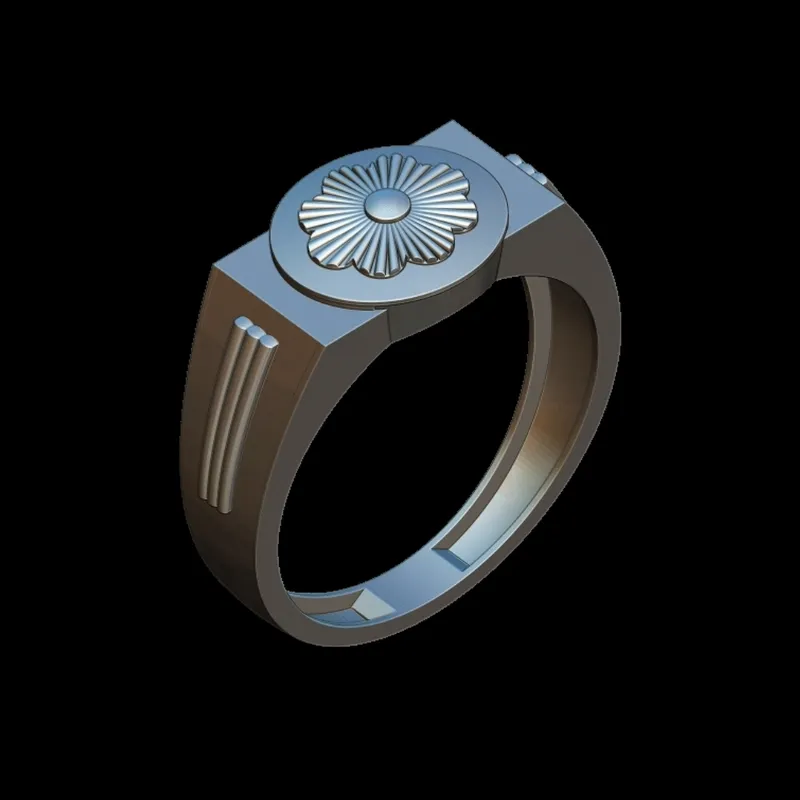
A Ram Sita Hanuman 3D model gives jewelry designers a digital basis for developing devotional jewelry. Religious motifs have traditionally served as a popular basis for pendants, rings, lockets and other jewelry items, but modern CAD technology enables such ideas to be rendered in three-dimensional form. With an expertly-developed 3D model, designers can realize the visual appeal of the chosen motif, tweak the design to achieve the desired level of detail, and be prepared for contemporary manufacturing methods such as 3D printing and casting.
Devotional jewelry pieces often possess multiple levels of meaning, which makes the level of detail in a design crucial. A depiction of Lord Ram, as well as Sita and Hanuman requires the correct balance and depth to the facial features and decorative elements, while also being rendered in a manner appropriate to a piece of jewelry. Through digital modeling, designers can achieve these qualities and reduce the need for multiple physical prototypes. As such, CAD software is a valuable tool for creating customized religious jewelry, which incorporates the creative elements of a designer and the capabilities of modern manufacturing.
What to Know about Ram Sita Hanuman Jewelry Design
The process of creating devotional jewelry begins with analyzing the key elements that need to be represented. When developing a Ram Sita Hanuman 3D jewelry CAD file, designers will have to consider the intended format of the jewelry piece, as well as the positioning of the three characters and the level of detail that will be retained at the chosen scale. The composition needs to be visually appealing while providing enough space to incorporate all three figures.
A Ram Sita pendant 3D model can adopt various stylistic elements, depending on the intended design of the jewelry piece. Designers can develop a highly-detailed central relief, a framed pendant, a circular locket or even a contemporary interpretation of the traditional imagery. CAD modeling provides the opportunity to explore these options and identify the preferred concept for manufacturing.
Key Elements of a Devotional Jewelry CAD Design
In addition to an accurate rendering of the subject in a devotional jewelry model, the designer also needs to consider its structural properties for manufacturing. The visual appeal of a Ram Sita pendant 3D Jewelry design will be enhanced by the correct level of thickness of the pendant, while also considering the edges and connection points, the depth of any surface elements and the fine detailing.
When developing a Hindu god 3D model for jewelry purposes, such intricate detailing should be incorporated at an appropriate scale and with consideration for the manufacturing methods. Extremely fine elements may not be viable for certain production methods, whereas excessive detailing may diminish the visual appeal of a small pendant. A well-developed CAD model will balance the visual and manufacturing requirements of a devotional jewelry piece.
From Traditional Inspiration to 3D CAD
The process of developing a 3D model from traditional inspiration usually consists of identifying references or sketches, analyzing the elements that will need to be incorporated, and then building the basic geometry of the chosen subject. This will then be enhanced by the fine detailing of facial features, clothing, ornamentation, postures, borders or other elements, depending on the subject and the intended piece of jewelry.
When developing a devotional jewelry CAD model, the accuracy and level of detail is of particular importance. This is enabled through the capabilities of CAD software, which allows designers to focus on minute elements of a design, maintain the integrity of the image when applying symmetry, and view the model at different angles.
Important Considerations When Creating the Model
- Proportions and composition: Ram, Sita and Hanuman need to be placed in a manner that allows a balanced and appealing composition within the chosen pendant size
- Surface detailing: Facial features, clothing, ornamentation and other elements will require the appropriate level of depth to be clearly visible after manufacturing
- Jewelry structure: The pendant will need sufficient thickness, smooth edges, secure connection points and an appropriately-sized bail or connection area for a chain
- Manufacturing requirements: The CAD model should be developed with the chosen manufacturing method in mind, whether it is resin printing, casting or another method
- Final size: Small-scale elements in a computer model may become unusable once the design is reduced in size for manufacturing
Using 3D Models for Jewelry Manufacturing
After developing the appropriate design and preparing the CAD file for manufacturing, the file can be sent to the next stage of production. Depending on the requirements of the jewelry manufacturer, the digital model may be exported to the appropriate file format for 3D printing, prototyping or casting. A high-quality digital model will assist the manufacturer in creating accurate prototypes, minimizing the risk of error during production.
A religious pendant 3D model can also be utilized to provide an array of size variations and stylistic adaptations. This model can be used to create jewelry pieces in smaller and larger scales, while also incorporating variations to borders, textural elements, ornamentation or other features to develop an array of pieces.
Benefits of Using Ready Made Devotional CAD Models
With the help of ready-made CAD models, considerable design time can be saved, especially when a jewelry manufacturer wishes to create a detailed religious design without having to develop a complex model from scratch. Such models can provide an appropriate digital basis for a devotional jewelry piece, allowing designers to review the design and prepare it for their specific requirements.
For jewelry professionals, the ability to utilize such a resource can also be a valuable tool for building a collection of devotional jewelry items. In this case, the designer can focus on creating variations of a specific piece, rather than spending significant time and effort on developing the geometry of a devotional pendant.
What to Check before Using a 3D Jewelry Model
- Detail quality: The level of detail in the model needs to be analyzed to ensure that facial features, ornamentation, clothing and other elements are rendered in sufficient detail
- File compatibility: The supplied 3D file needs to be compatible with the intended software and manufacturing method
- Print and casting readiness: The wall thickness, small elements, unsupported geometry and other elements need to be reviewed
- Customization options: The ability to scale the model or make changes to the pendant shape, borders, size or other elements should be confirmed
Cadwala for Devotional Jewelry 3D Models
Cadwala offers a wide range of 3D jewelry models that have been created for jewelry professionals, designers, manufacturers and 3D printing purposes. The collection includes devotional jewelry designs that can assist in shortening the learning curve and reducing the time spent on developing a complex jewelry design from scratch. Ram Sita Hanuman 3D model is a prime example of such a product that can be used to create devotional jewelry and customized pendant design.
The opportunity to utilize a ready-made jewelry model from Cadwala can be particularly useful when aiming to transition from a digital design to a physical piece of jewelry. Designers can analyze the provided model, make any necessary modifications and prepare it for manufacturing according to their preferred method. As such, this approach can combine the benefits of a traditional devotional design and a contemporary 3D jewelry CAD model.
Conclusion
Devotional jewelry pieces incorporate cultural inspiration and individual meanings. Contemporary 3D CAD technology enables these designs to be developed with greater accuracy, allowing jewelry professionals to prepare their chosen motif for manufacturing. A well-developed Ram Sita Hanuman 3D jewelry model can thus serve as a valuable resource for creating customized pendants and devotional jewelry pieces in general.
Whether the aim is to create a traditional pendant or a customized contemporary piece, the quality of a 3D jewelry model plays an important role in the final result. With providers such as Cadwala offering a range of ready-made jewelry CAD models, designers can dedicate less time to developing complex forms from scratch, while also creating unique pieces of devotional jewelry that adhere to their manufacturing requirements.
Frequently Asked Questions
1. What are the uses of a Ram Sita Hanuman 3D model?
A Ram Sita Hanuman 3D model can be utilized to recreate devotional pendants, lockets, and jewelry prototypes for religious jewelry and other related designs. The created digital model can also be prepared for 3D printing and casting.
2. Is a Ram Sita Hanuman 3D jewelry model customizable?
Depending on the file and workflow, a Ram Sita Hanuman 3D model can be adjusted to meet specific needs. Therefore, designers can alter dimensions, borders, decorations, thickness, and other aspects to form unique jewelry designs.
3. What considerations should be made while creating a Hindu god 3D model for jewelry?
Such considerations as proportions, surface decorations, design size, minimum thickness, and strength, and manufacturing approach should be considered when developing a Hindu god 3D model for jewelry.
4. How is devotional jewelry CAD model prepared for 3D printing?
Devotional jewelry CAD model is prepared for 3D printing by ensuring that it has appropriate wall thickness, closed geometry, and minimal undercuts. Moreover, a CAD model should be checked for weak connections and unnecessary small details.
5. Where can I find a religious pendant 3D model for jewelry design?
Cadwala provides 3D CAD models for jewelry design to clients worldwide. The company offers 3D models for devotional and religious designs that can be modified, 3D printed and used to develop prototypes in jewelry manufacturing.